
Science made simple
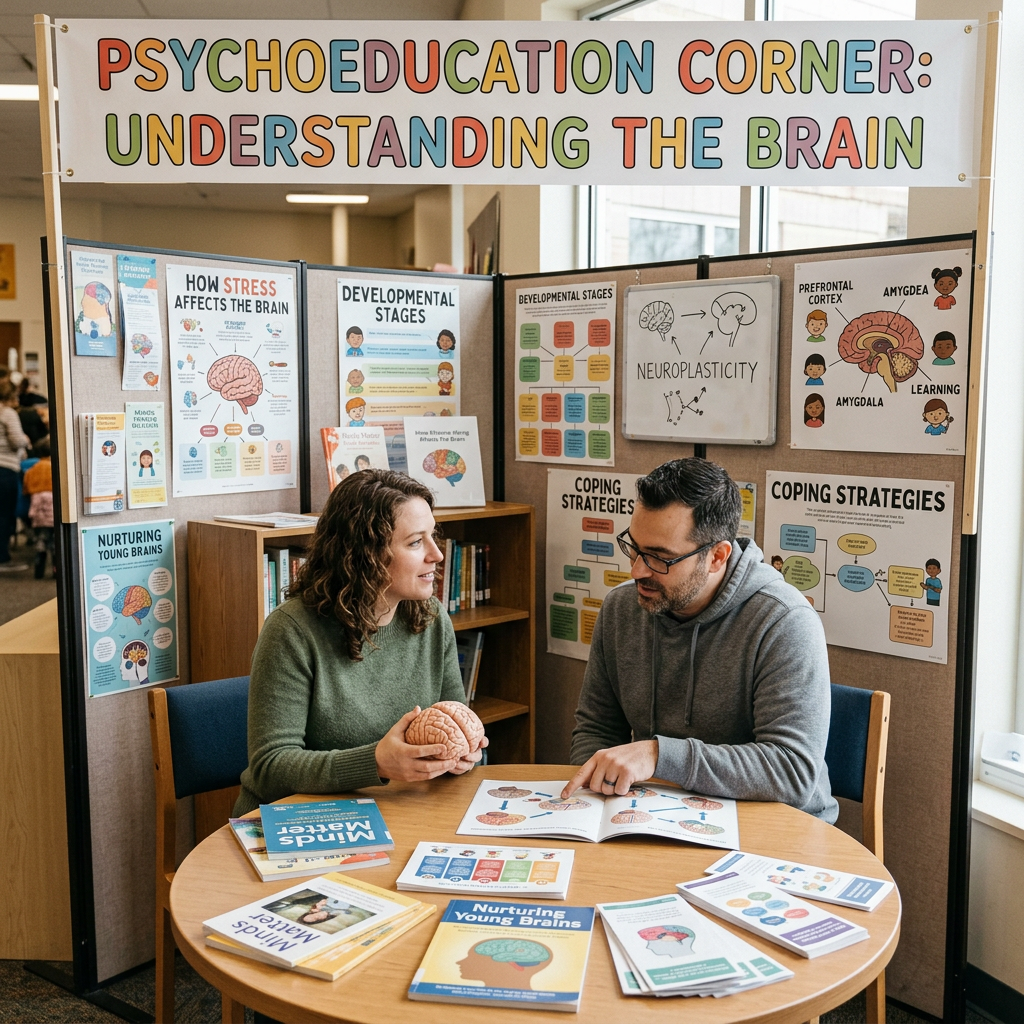
Welcome to the Self-Learning Corner — your portal to clinical clarity. We translate complex neuropsychological research into actionable, evidence-based strategies for parents and global teams.
Here is where cutting-edge research meets everyday parenting and the effective management and leadership of Global Teams.
We distil peer-reviewed studies into clear factsheets, visual infographics, evidence-based strategies, and 30-second podcasts. Whether you are navigating toddler tantrums, adolescent social media use, or corporate wellbeing, you will find actionable insights grounded in 20+ years of teaching psychology globally. No jargon. Just science you can use.
Scientific Research at your Fingertips

Why Your Child's Early Emotional Skills Matter for School Success
Original source: Carpendale, E. J., et al. (2025). British Journal of Educational Psychology
What the researchers did: Scientists followed nearly 24,000 Australian children to see how their emotional and social skills in primary school affected their reading and maths years later.
What they found: Children who learned to manage their feelings and get along with others in primary school went on to achieve higher scores in reading and numeracy during secondary school. These skills were just as important as academic ability.
What this means for you: Helping your young child (ages 5–12) name their emotions, wait their turn, and calm down after frustration isn't just good for behaviour — it directly supports their future learning. At The Emotional Development Centre, we teach you practical, evidence-based strategies to build these foundational skills at home.
Social Media, Bullying and Teen Mental Health — What's the Link?
Original source: Duman, H., & Yılmaz, T. (2026). BMC Psychology
What the researchers did: This study explored how social media addiction and cyberbullying (online victimisation) affect teenagers' emotional and psychological wellbeing.
What they found: Adolescents who felt addicted to social media were more likely to experience cyberbullying. In turn, both social media addiction and cyberbullying were linked to higher levels of anxiety, depression, and lower overall wellbeing. The relationship was complex, but the pattern was clear: unchecked digital habits and online conflicts harm teen mental health.
What this means for you: Open conversations about screen time, online friendships, and what to do if your teen feels targeted online are essential. Our adolescent services use ACT and CBT to help teens build emotional resilience, set healthy digital boundaries, and maintain strong connections with you.
Evidence-based Strategies for Parenting
For Parents of Young Children (0–7)
Managing Tantrums & Building Emotional Regulation
- 1. Name it to tame it — When your child is mid-meltdown, get to their eye level and say: "You look really angry right now." Labelling feelings calms their brain's alarm system.
- 2. Narrate your own emotions — Say out loud: "I'm frustrated. I will take three deep breaths." Children learn more from what you do than what you tell them.
- 3. Play stop-and-go games — "Red Light, Green Light" and "Freeze Dance" build impulse control without lectures. Fun = learning.
- 4. Talk about feelings during storytime — Pause while reading: "Why do you think the character is sad?" This builds empathy and emotional vocabulary.
- 5. Build a calm-down kit — Fill a small box with a squeeze ball, a breathing picture, and a favourite book. Let your child choose their tool.
For Parents of Adolescents (Ages 13–17)

Managing Social Media Use & Digital Wellbeing: What can parents do?
5 actionable strategies you can use today:
- 1. Teach internal awareness, not just rules — Ask: "How does your body feel after scrolling — tense? Heavy? Calm?"
- 2. Create a family digital plan together — Agree on no-phone zones (dinner, bedrooms) and screen-free times.
- 3. Use safety settings — but don't rely on them — Turn on private profiles, disable messages from strangers, enable restricted mode.
- 4. Curate the feed together — Ask: "Which accounts make you feel good? Which don't?" Then unfollow together.
- 5. Agree on a dangerous content protocol — "If you see something upsetting, screenshot it, block it, and come tell me. No punishment."
Managing Global Teams: Evidence-Based Strategies for Managers
The science behind these strategies: Recent research by Stuber et al., (2021) shows that supportive, fair leadership protects employee mental health. Destructive or neglectful leadership damages it. The most effective managers learn to manage their own wellbeing (role modelling) and actively support their team through better communication, transparency, and conflict resolution.
- 1. Spot early warning signs — Look for increased sick leave, withdrawal, irritability, or exhaustion. Check in early and genuinely.
- 2. Explain your decisions — Always tell your team why you made a difficult choice. Transparency reduces feelings of unfairness.
- 3. Run team reflections — Hold monthly 30-minute meetings to discuss workplace stress and find solutions together.
- 4. Model healthy boundaries — Take breaks, leave on time, and say when you feel stretched. Your team will follow your lead.
- 5. Train conflict management skills — Teach leaders how to give feedback, manage disagreements, and have compassionate conversations.
Video-Education
Videos coming soon….
FAQ
Do you work internationally?
Yes. Online consultations are available internationally depending on professional and jurisdictional guidelines.
Are sessions confidential?
Yes. Confidentiality and ethical practice are central to all services.
Do you offer therapy for children directly?
Support may involve direct work with children, adolescents, parents, or a combination depending on developmental needs. However, research shows that working with parents yields better and quicker outcomes in children/adolescents.
Are services evidence-based?
Yes. All interventions and recommendations are informed by current psychological research and evidence-based practice.
Support for Children, Adolescents, Families and Parents in Corporate Teams Begins With Understanding
Whether you are seeking guidance for behavioural challenges, emotional wellbeing, parenting support, adolescent transitions or corporate training, The Emotional Development Centre offers a compassionate and research-informed space to help families and global teams move forward with greater clarity, confidence, and emotional resilience.
How can you contact us?
- Schedule a Consultation
- Contact The Emotional Development Centre
- Explore Services
*Disclaimer: All information related to summaries of scientific research are paraphrased summaries of the original research. No text has been copied verbatim. For full details, please refer to the original publications.